
Introduction
Higher education plays an important role in Pakistan’s social and economic development. Universities help students gain professional knowledge, develop practical skills, conduct research, and prepare for careers in an increasingly competitive world. Pakistan has both public and private universities offering a wide range of programs in engineering, medicine, information technology, business, agriculture, education, and social sciences.
Structure of University Education
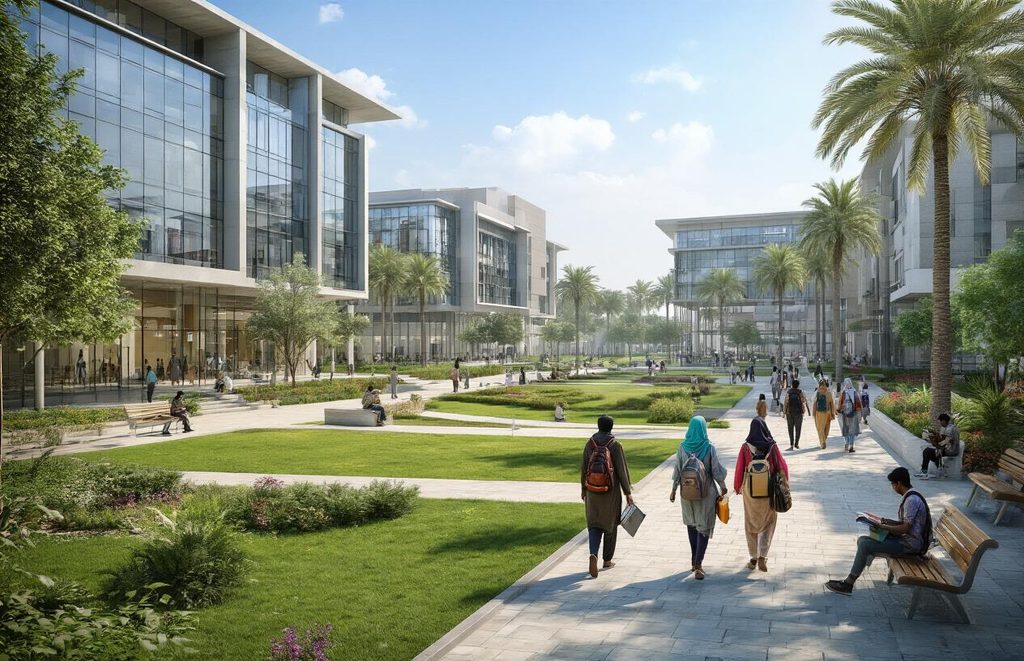
The university education system in Pakistan includes undergraduate, graduate, and doctoral studies. Undergraduate programs commonly include four-year bachelor’s degrees, while postgraduate education offers MS and MPhil programs, followed by PhD studies for advanced research. The Higher Education Commission (HEC) provides policies and quality standards to support higher education across the country. Students should check whether their chosen university and degree program are recognized before applying.
Public and Private Universities
Pakistan has many well-known universities, including the University of the Punjab, Quaid-i-Azam University, National University of Sciences and Technology (NUST), and Lahore University of Management Sciences (LUMS). Public universities generally receive government funding, while private universities operate under their respective management structures. Both sectors offer opportunities for students, although tuition fees, facilities, admission requirements, and available programs vary considerably.
Challenges and Opportunities
Despite its progress, university education in Pakistan faces challenges such as affordability, unequal access to quality education, limited research resources, and gaps between academic learning and workplace requirements. Universities can improve outcomes by strengthening practical training, internships, digital learning, research facilities, and collaboration with industries. Scholarships and career guidance can also help talented students from different backgrounds pursue higher education.
Conclusion
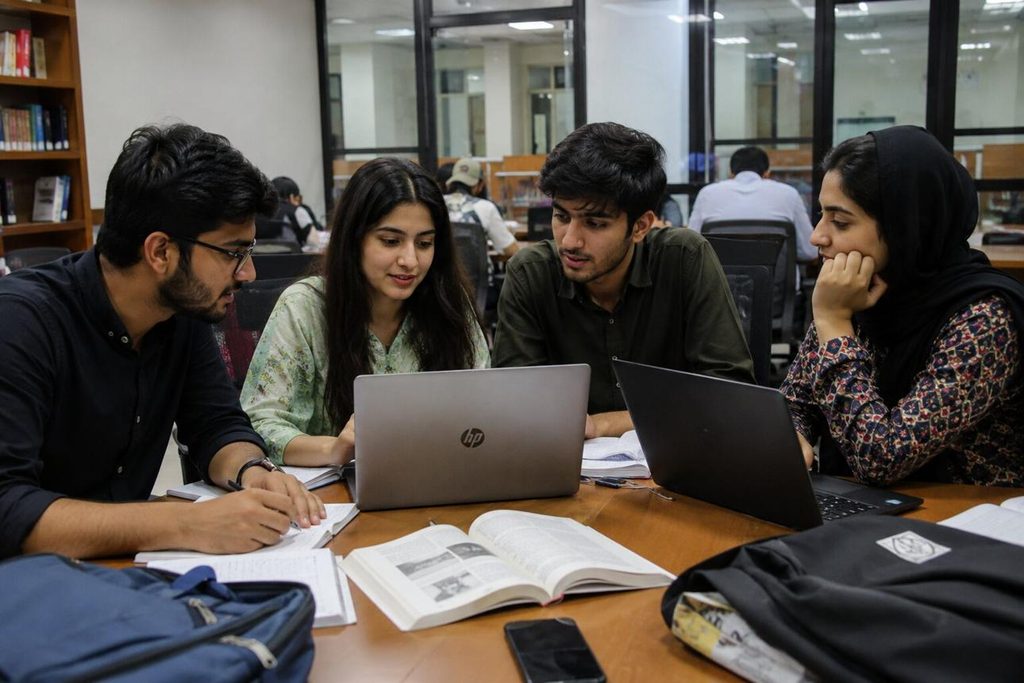
The future of Pakistan depends partly on the quality of education available to its young population. By improving teaching standards, promoting research, expanding access, and developing job-ready skills, universities can contribute to a more innovative and prosperous Pakistan. Students, educators, universities, and policymakers all have a role to play in building a stronger higher education system.